
How to get rid of mice from House
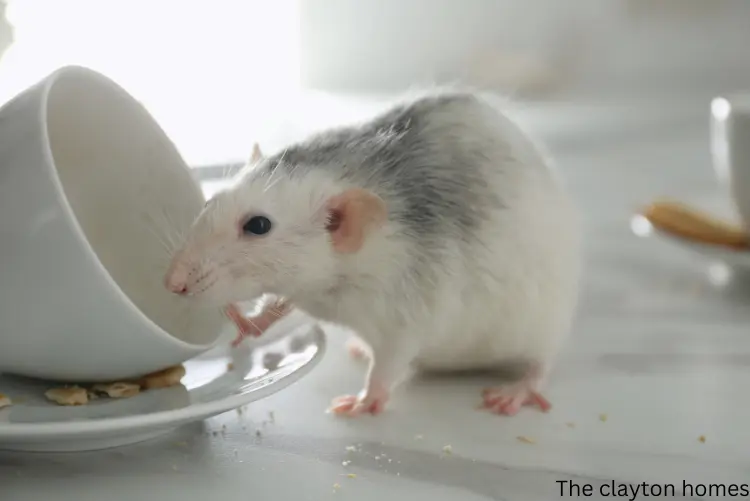
They are difficult to detect because they hide in places like attics, boxes of storage, and walls. Mice can squeeze through small openings on walls, floors and foundations. Once they are inside, it can be difficult to remove them. Typically, mice that live in walls are hidden during the daylight hours and most active at dusk. They are usually detected by distinctive gnawing and scratching noises. It’s crucial to identify the pest before taking any action. Rats or squirrels can also cause damage to walls, and require different methods of pest control.
What Do Mice Eat? Understanding Mice Diet
It’s important to know what lures mice in order to effectively combat an infestation. Mice can survive with a variety of food. What they eat is listed below:
Grains and Seeds
Mice love grains, cereals and seeds. Even if it is bread crumbs or oats and rice, these items can become food for mice if left exposed. They forage in pantries, kitchens and even opened boxes.
Pet Food
You should be aware that pet food that has been left out can attract mice. Mice will happily eat dry kibble, or even wet food if you leave it out overnight.
Cheese (and Other Dairy)
The stereotype that mice love cheese is not entirely true, but they will eat the product if available. If mice find cheese, they can use it as a quick source of food.
Leftover Food and Crumbs
Even the smallest food crumbs can provide a meal for mice. Mice can survive on even the smallest crumbs. You should clean up leftover food as soon as possible.
Signs of a Mice Infestation
There are a few signs you should look for if you suspect that you may have a mouse problem. Early detection can prevent an infestation.
What Do Mice Droppings Look Like?
The average size of mouse droppings is between 1/8 and 1/4 inches. The droppings are usually black or dark brown, shaped like rice grains or small cylinders. You’ll know you have an infestation if you see large droppings. Check corners, cabinets and other tight places. Mice tend to leave droppings in large clusters.
Gnaw Marks
Mice gnaw constantly to keep their teeth sharp, and to get food. You might see gnaw marks in food packaging, on wooden furniture or walls. These marks tend to be dark and you may even see some chewing remnants if you pay attention.
Scratching Noises and Footprints
Mice are usually heard at night. You can tell if you hear scratching sounds coming from your walls, ceilings or attics if they are loud. Also, they leave tiny footprints on the ground or dust near their nests.
Smell
It is common for mice to emit a musky scent. You may notice a persistent, unappealing smell in some areas of your house. This could be an indication that mice have built a nest.
Best Ways to Get Rid of Mice: Step-by-Step Guide
Let’s discuss the best ways to eliminate mice from your home now that you know what mice are and why they come. There are a few options to consider depending on the extent of the infestation.
Step 1: Seal Off Entry Points
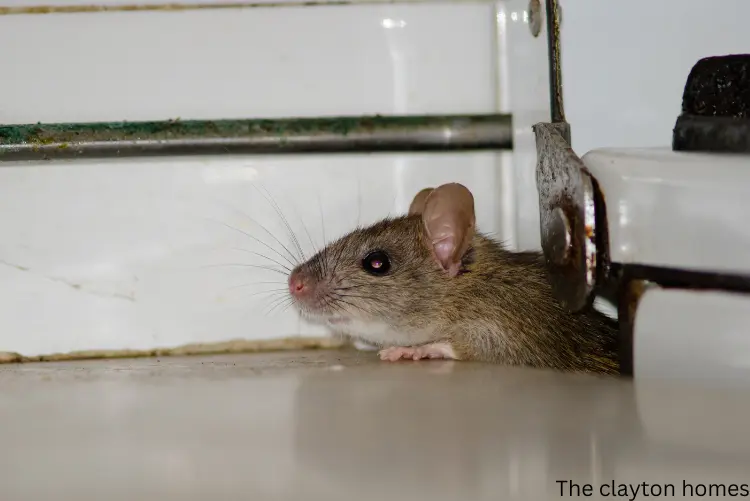
Mice can squeeze into small cracks and gaps. Mice can squeeze through small holes. Sealing off entry points is essential to prevent mice from entering. Check your home for any gaps or cracks around
- Windows and Doors
- Vents
- Electrical Outlets
- Plumbing pipes
- Cracks in the foundation
- Close any gaps with materials such as steel wool, caulking or expandable foam. Steel wool is especially effective, as mice cannot chew through it.
Step 2: Set Traps
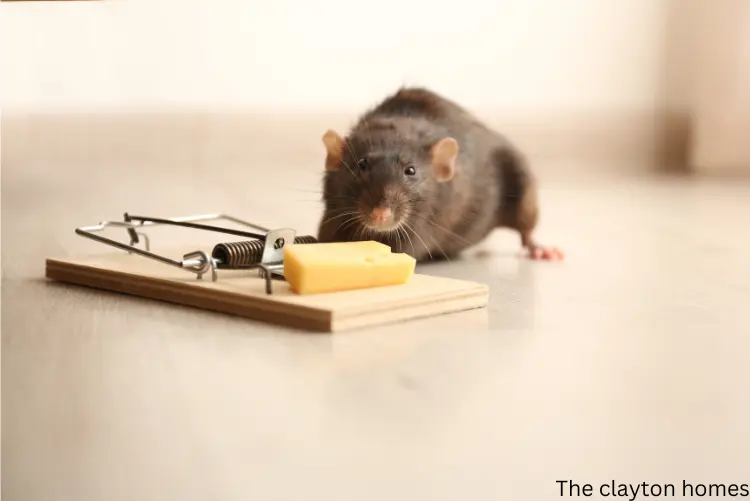
Trapping house mice is the most effective method to eliminate them. Traps come in different types:
Snap Traps
Snap traps have been proven to be the most effective and classic mouse traps. The mice are killed instantly and do not suffer. You can bait these traps with cheese, peanut butter or chocolate. Place traps along walls or near food sources. Or, in dark corners, where mice are active.
Live Traps
You can catch mice using live traps without killing them. Release them far from your house once they are captured. This is a humane alternative, but you must check it regularly.
Glue traps
You can use glue traps, but they are often inhumane. The mice are caught by gluing them to a surface. However, they often die of starvation, stress, or dehydration. If you want a quick and humane solution, they’re not for you.
Step 3: Use Mice Repellents
Mice repellents may be the answer if you don’t like traps or want to add another deterrent. There are many options available:
Peppermint Oil
Peppermint is a powerful natural repellent. The strong, pungent aroma of peppermint repels mice. Cotton balls soaked in oil can be placed near suspected entryways, nesting areas and food storage. Most hardware stores sell peppermint sprays.
Other Essential Oils
If you don’t like the smell of peppermint, try using other essential oils such as cinnamon, cloves or eucalyptus. The combination of these essential oils will keep mice away. Mice are known to be attracted to strong scents.
Ultrasonic Devices
Ultrasonic mouse repellents emit high frequency sound waves which mice find intolerable. They are unable to communicate or navigate as a result of these sounds. The mice repellents are non-invasive and can be installed in any room you suspect of having mouse activity.
Step 4: Clean your Home
Keep your home clean. This is the best way to prevent mice. Food is a magnet for mice, so:
All food should be stored in airtight containers.
Vacuum and clean floors and counters regularly.
After your pet has finished eating, clean up the pet food.
Use trash cans that have tight-fitting lids and empty your garbage regularly.
How to Get Rid of Mice in the Walls
Mice can hide in walls and make it harder to catch them. Here’s what to do if you suspect you have mice living in your walls:
Use a Mice Repellent
You can place natural repellents such as peppermint oil, or ultrasonic devices near cracks and vents. This will make the environment uninviting for mice and drive them away.
Set Traps
Place traps near baseboards and any suspected entry points. If you can’t get them out right away, drill small holes and place traps further inside the wall.
What smells do mice dislike?
The sense of smell is a major factor in mice’s ability to find food and navigate. Here are some scents mice dislike:
Peppermint oil
Cinnamon
Cedarwood
Eucalyptus
Cloves
Ammonia
These scents can be used to reduce the attraction of mice to your home.
Does Peppermint oil repel mice?
Peppermint oil can be used as a natural repellent to keep mice away. Its strong smell repels mice, so using it around your home will help to keep them at bay. You can spray pre-made peppermint oil around your house instead of using messy cotton balls and oil bottles.
Can mice carry rabies?
Although mice are known to carry a number of diseases including salmonella, hantavirus and rabies, they rarely do so. You should be careful around them as they can still spread other diseases. Wear gloves whenever you are handling dead mice, traps or droppings.
How to handle dead mice?
It’s important that you handle a mouse carefully if you find one in your house. Use a disposable bag and gloves to dispose of the corpse. Use disinfectant to clean the area, especially if there are droppings or urine in the vicinity. After cleaning the area, wash your hands thoroughly.