How to Grow and Care for Zebra Plant
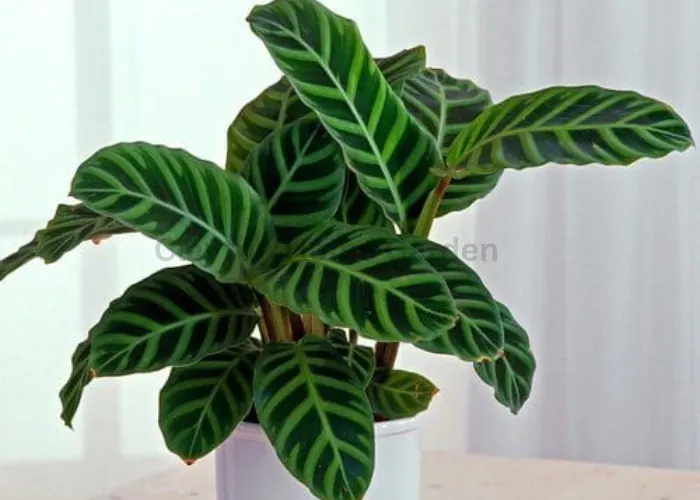
Zebra plant, which is typically grown as a houseplant, is loved for its green, white-striped leaves and its colorful blooms. Somewhat tricky to grow, this species thrives in bright, indirect sunlight and well-draining soil, though it will droop quickly without consistent moisture.
Below, we share everything you need to know about caring for a zebra plant, so it thrives in your home.
Common Name | Zebra plant |
Botanical Name | Aphelandra squarrosa |
Family | Acanthaceae |
Plant Type | Tree |
Mature Size | 1–6 ft. tall, 1–5 ft. wide |
Sun Exposure | Partial, dappled |
Soil Type | Moist but well-draining |
Soil pH | Neutral, acidic |
Bloom Time | Summer, fall |
Flower Color | Yellow |
Hardiness Zones | 11-12 (USDA) |
Native Area | South America |
Zebra Plant Care
Native to Brazil, the zebra plant is a beautiful but temperamental plant. Here are the main care requirements for zebra plant:
Choose a spot that gets bright, indirect sunlight.
Prepare soil that drains easily while maintaining some moisture. Water regularly so that the soil never dries out completely, but avoid letting the plant sit in soggy.
Learn more:DIY Water Table for Kids & Best Designs Under $30
soil
Aim to keep the humidity around zebra plant high, ideally close to 60 percent or higher. Fertilize lightly during the growing seasons.
Light
Zebra plants thrive in indirect light or partial shade, as they’re used to growing under a canopy of trees in warm and humid climates. Direct sunlight can cause the leaves to scorch and should be avoided, but complete shade can mean that your plant won’t bloom.
Soil
A zebra plant will grow best in soil that is neutral to acidic. A multi-purpose potting blend is adequate for a zebra plant—you can also incorporate sand into the mixture to ensure that it drains well. If a flowering plant is your goal, feed using fertilizer every one to two weeks during its growing season (spring and summer).
Learn more:How to design Pallet Wood Projects & Pallet Furniture
Water
As mentioned, zebra plants prefer consistently moist soil, which may take a bit of finesse, as overwatering can cause the leaves to wilt. It’s recommended that you water your zebra plant to saturation every few weeks (or as you observe the soil drying out), allowing the water to completely penetrate the soil until it runs out of your container’s drainage holes. Your water temperature should be slightly lukewarm so it mimics the variables of a drenching rainstorm in warmer climates, but only water under the leaves, never from above.
Temperature and Humidity
Because of their origins, zebra plants grow best in moderate temperatures—their grow location should reach at least 60 degrees Fahrenheit or higher, and never dip below 55 degrees.
Humidity is also important to the zebra plant, so its space should be kept at 60 to 70 percent humidity. If these conditions cannot be achieved naturally indoors, you can increase moisture levels by using a humidifier. You can also mist your zebra plant lightly with lukewarm water from a spray bottle. Overall, strive to maintain an even temperature for your plant. Avoid high fluctuations in either direction and keep it away from any vents that could make it too hot or too cold (such as a radiator or air conditioner).
Fertilizer
The use of fertilizer can greatly benefit the zebra plant’s growth, especially when it comes to its ability to flower. During its peak growth season (typically spring and early summer), the zebra plant should be fed every one to two weeks using a fertilizer that is well-suited to both foliage and flowers.
Types of Zebra Plant
There are several varieties of zebra plant including:
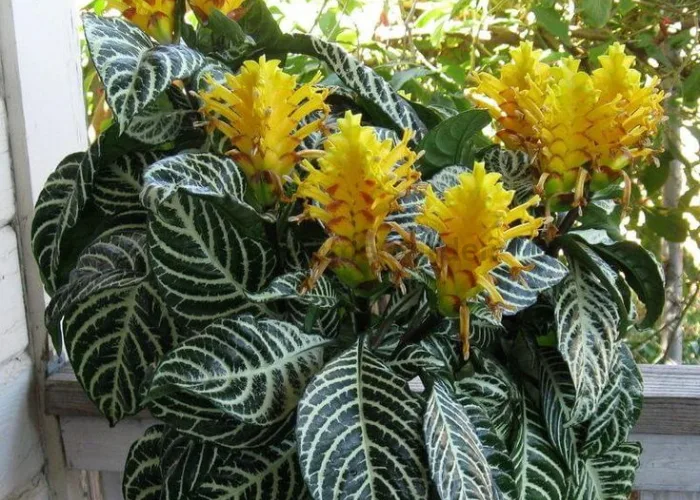
- A. squarrosa ‘Dania‘ has green leaves with white veins and sports reddish to maroon stems and yellow flowers.
- A. squarrosa ‘Fritz Prinsler‘ has green leaves with slightly yellow veins. Its flowers and bracts are a yellow color.
- A. squarrosa ‘Leopoldii‘ has broader leaves and blooms gold flowers with red bracts.
- A. squarrosa ‘Louisae’ has green leaves with yellow veins and yellow flowers with gold bracts.
- A. squarrosa ‘Snow White’ has a darker green leaf with white veins but is a bit unique with the tiny white spots on the leaf that look like snow. The flowers are yellow or gold.
Propagating a Zebra Plant
Propagate a zebra plant in the spring by using stem cuttings from your original plant.
Using a sharp, disinfected cutting tool, cut 2- to 3-inch-long sections of stems from side shoots of the plant.
Dust the cut ends in a rooting hormone to increase your chances of successful propagation.
Insert the stem ends into a pot filled with moist soil and place the container on top of a heating mat if your room does not naturally maintain a temperature of around 70 degrees.
The stems will also need lots of humidity to grow strong roots successfully, so it may be helpful to increase the moisture level by growing in a covered terrarium or placing plastic wrap over the top of your pot.
Root growth can take around a month. Keep an eye out for new leaves on the surface of the plant because that indicates growth below the soil line, too. Propagated zebra plants should be repotted once the plant grows roots.
Potting and Repotting Zebra Plant
Beyond repotting propagated shoots, zebra plants do not need to be repotted often, benefitting from a new home only every two to three years. If you notice the soil has gotten lower, simply remove the top inch or two of soil and top with a fresh mix, which will give the plant an added dose of nutrients.
Common Pests
Though this is an unusual plant, the zebra plant still attracts common bugs, such as aphids, mealybugs, mites, scale, and thrips. Pests can be eliminated with insecticidal soap or by specific remedies recommended for each insect.
How to Get Zebra Plant to Bloom
This houseplant is very finicky about blooming, and getting a zebra plant to bloom twice in a season and then the next summer season is tricky at best.
Bloom Months
Zebra plant usually blooms in late summer or early fall, though growing this plant indoors may alter its natural schedule.
How Long Does Zebra Plant Bloom?
If you manage to get your zebra plant to flower, the bloom can last for up to six weeks.
What Do Zebra Plant Flowers Look and Smell Like?
A blooming zebra plant will send up a central spike of small, tubular flowers that are bright yellow and stand out among the dark green leaves. They may emit a hint of a sweet fragrance at first but are generally not pungent.
How to Encourage More Blooms
The most important factor in getting your zebra plant to bloom is keeping it in good health. Beyond that, in the spring, place the plant in a spot where there’s very intense, bright, but indirect sunlight. The intensity of the light will encourage blooming. Care for the plant during the winter by placing the pot in a cooler location, but bring it right back to a warmer spot once spring arrives.
Caring for Zebra Plant After It Blooms
If it’s summer and your plant’s bloom is fading after its six weeks of glory, cut the bract back to encourage it to flower again in the fall.
Common Problems With Zebra Plant
With such a beautiful, but sensitive plant, there’s bound to be some issues when it comes to the leaves. Keep an eye on the leaves so you can give your zebra plant the love and care it needs to be saved.
Plant Leaves Falling Off
If leaves drop off the plant, it is probably due to an overwatering or underwatering problem. The tips of leaves on the lower part of the tree will begin to wilt when this is the problem. If the watering issue is not fixed, the leaves will fall off. However, it can also be a problem because the air is too dry around the plant and it needs more humidity.
Curling Leaves
If the leaves are curling or crinkling, the plant is likely getting too much bright sun or it feels overheated. Though it likes light, it may be a bit too intense or hot. Move the plant to an area with light, but not as direct or strong so it can cool down a tad.
FAQ