
How to get rid of carpenter ants and do carpenter ants bite
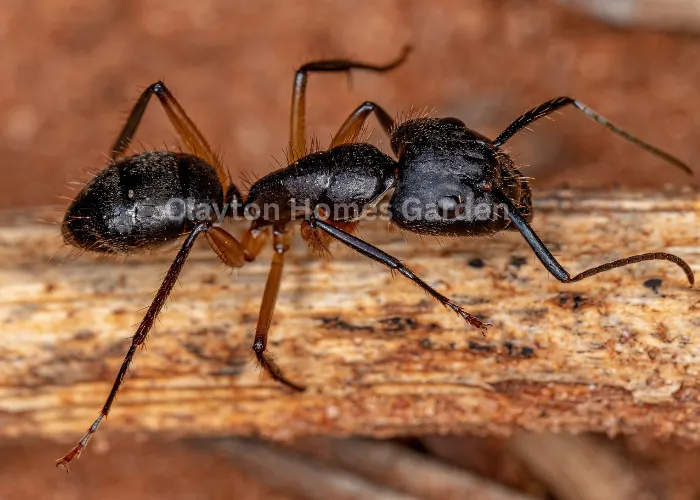
Carpenter ants are among the biggest pests that homeowners are faced with, often creating significant damage to the wood structures that surround your home. Knowing how to recognize the signs, treat and avoid these invasive insects is crucial for protecting your home. This complete guide will take you through all you should be aware of about carpenter ants, from the identification of them to treatment options and long-term strategies for prevention.
How to Identify Carpenter Ants
Finding the right carpenter ants the first step to deal to an issue. Knowing what to look out for can help you take action quickly and limit damage.
Characteristics of Carpenter Ants
Carpenter ants are huge insects, typically darker brown or black colour and range from 1/4 inch to 1/2 inch in length. In contrast to termites, the carpenter ants possess shiny, smooth bodies, and a clearly defined “waist.” Their heads are big and they also have huge mandibles that are used for digging and cutting wood. They may also be seen carrying wood pieces as well as “frass,” which looks like tiny wood shavings.
Carpenter Ants in comparison to. Other kinds of Ants
Carpenter ants may be mistaken for other ant species particularly the large black ants. The primary difference lies in their body shape and behavior. Carpenter ants usually leave trails of workers searching for food and they don’t swarm in large groups as do other species of ants. In contrast to sugar ants and Pharaoh ants, carpenter insects typically build their nests in wood, unlike other species that prefer soil or food items.
Why Identifying Carpenter Ants Early is Crucial
The early detection of carpenter ants is crucial as they could cause damages to your structure. If they are not treated, the carpenter ants hollow out wood and make nests that weaken the structural integrity of walls, beams and furniture. The earlier you spot an infestation the easier to deal with it before the issue gets any more serious.
The Role of Flying Carpenter Ants in the Colony
Flying carpenter ants reproduce insects (also called swarmers) who leave the nest to mat. They usually show up during the warmer months, particularly in spring. The sight of flying ants in your home is a clear indicator that you might have an established colony in your home. The presence of ants indicates it is maturing and requires attention.
What Attracts Carpenter Ants to Your Home?
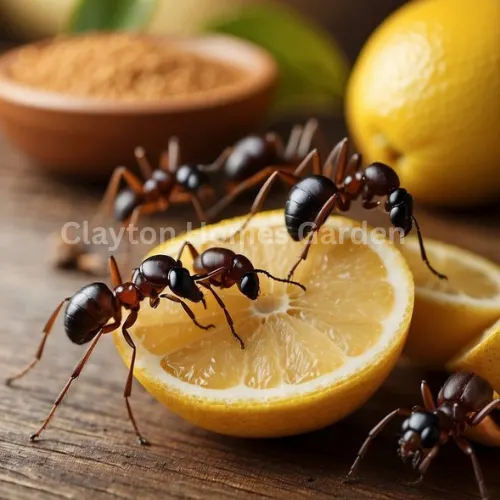
Understanding the factors that draw carpenter ants in your home will help keep them from getting settled in. Here’s what you should look for.
How Moisture and Wood Attract Carpenter Ants
Carpenter ants are attracted by decaying, moist wood, that creates the ideal environment for nests. Roofs that are damaged, leaky pipes or areas that have high levels of humidity can create conditions that attract insects. Carpenter ants like to settle in wood areas that is softened by moisture this is why repairing leaks and dealing with water damage is essential.
The Importance of Food Sources for Carpenter Ants
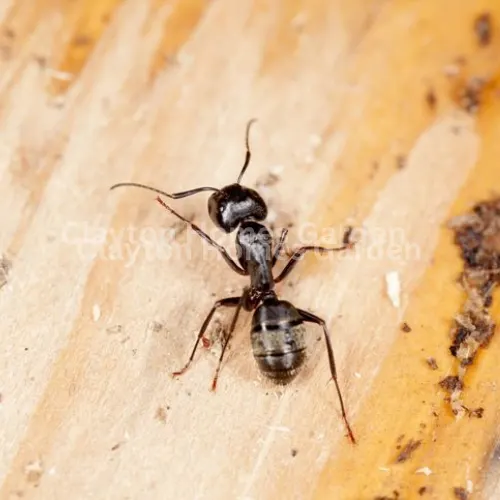
Food plays a significant role in the attraction of carpenter insects. They are omnivores that feed on proteins and sugary substances. Kitchens, garbage bins along with pet food dish dishes, are top areas for them to attack. Maintaining food containers and keeping areas free of clutter will decrease the attraction of your home to.
How Carpenter Ants Locate Entry Points into Your Home
Carpenter ants generally find their way into the homes via cracks on foundations gaps between windows or damaged wooden structures. If your house has lots of vegetation around the walls or windows, they might be able to get into the interior. They may also make use of trees that reach up to the roof or walls to create bridges to get into your home.
Are Carpenter Ants More Likely to Infest Older Homes?
Yes older houses are more prone to carpenter’s ants infestations especially when the wood has been damaged over time. The areas with high levels of moisture such as the basement, crawl space or attics are the most susceptible. Older homes might have cracks in the plumbing or wood that allow easy entry for Ants.
How to Get Rid of Carpenter Ants Using Chemical Treatments

Chemical treatments are efficient in removing carpenter ants, particularly for infestations of large size. However it is essential to use them in a safe manner to guarantee security and efficiency.
Effective Carpenter Ant Pesticides
Carpenter ant pesticides can be found in many forms, such as dust, sprays and baits. These products contain active ingredients like imidacloprid or fipronil are extremely effective in killing carpenter beetles. To get immediate control liquid sprays may be sprayed directly onto the ants or along routes. For long-term protection bait stations that ants bring back to the colony may assist in eliminating the entire colony.
How to Apply Chemical Treatments Safely
When using chemical treatments, adhere to the directions of the manufacturer in order to protect animals and humans. Spray directly onto trails of ants and set up bait stations in the areas where they are the most active. When you’re applying a dust-treatment use it on crevices and cracks, making sure it is able to reach the nests.
Are Carpenter Ant Sprays Safe for Pets and Children?
Many of the commercial carpenter’s sprays for ants can be harmful to children and pets in the event of improper use. Always verify the safety information on the label prior to using any pesticides. Make sure that children and pets are kept away from areas treated until the spray is dry, and air-condition the area well following the application.
The Risks and Benefits of Using Carpenter Ant Foggers
Foggers are often advertised as a simple solution to the problem of ants However, they do come with dangers. Although they are able to kill ants when they touch however, they rarely get into the deep nests where carpenter ants are. In addition, foggers are laced with chemicals that could be harmful for pets and humans when breathed in. In the case of larger infestations, it’s generally best to apply targeted treatments like sprays, baits, or sprays directly.
Natural Methods to Eliminate Carpenter Ants
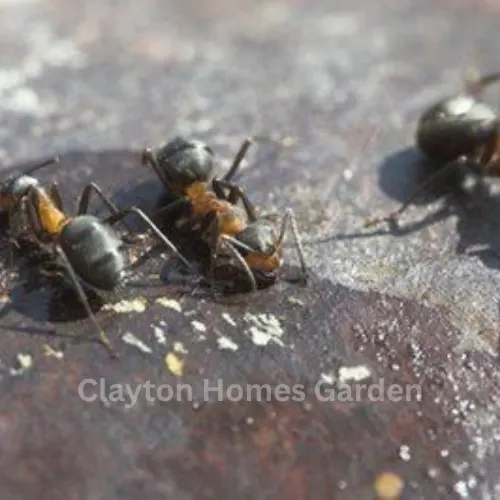
If you’re looking for non-toxic and environmentally friendly methods to eliminate carpenter ants in your home, many ways to eliminate them can help.
How Boric Acid Can Kill Carpenter Ants
Boric acid can be a naturally-produced insecticide which acts by disrupting the digestive system of ants and eventually killing the ants. To make use of boric acid mix it with honey or sugar to draw the insects. If they inhale boric acid it can cause death and spread to the colony.
The Role of Diatomaceous Earth in Carpenter Ant Control
Diatomaceous Earth is a natural non-toxic, non-toxic substance that functions by piercing the exoskeletons of ants, which causes them to dry out and die. It’s safe for use with children and pets, however be cautious when using it in areas susceptible to moisture as it is less effective in the event of wet.
How to Use Vinegar to Repel Carpenter Ants
Vinegar acts as an effective deterrent to carpenter ants, due to its strong scent. Mix equal amounts of vinegar and water into a spray bottle, and apply it to the areas in which ants are active. The scent will keep them out, however it will not kill them directly.
Natural Repellents to Keep Carpenter Ants Away
Essential oils such as peppermint, tea tree and eucalyptus work as natural repellents to carpenter ants. Mix a few drops of these oils with water and then spray the solution on entrance points for ants and nesting spots. Ants do not like these scents and avoid areas that are that are treated with these oils.
Best Carpenter Ant Baiting Techniques
Baiting is among the most effective strategies to get rid of carpenter ants in the long run. Here’s how to utilize baits to your advantage:
How to Use Bait Traps for Carpenter Ants
Set bait traps in areas in which carpenter ants are present. Ants will take the bait back to their nest and it will then be shared with other ants, including queen. This strategy can eradicate the entire colony however it could take a few weeks before the process is finish.
Best Bait Products for Carpenter Ants
The most effective bait products for carpenter ants include the combination of sugar and protein like Terro Liquid Bait, or Advance Carpenter Ant Bait. These baits have been specifically developed to draw carpenter ants. They also offer a slow-acting poison that can be returned into the colonies.
How Carpenter Ants Share Bait Among Their Colony
Carpenter insects are social that share their meals with other ants in the colony. Once ants have taken the bait they take it back into the nest from where it’s dispersed to other ants and then eventually the queen. This is the reason baiting is an extremely successful long-term solution.
Why Baiting is a Long-Term Solution for Carpenter Ants
Baiting lets you effectively target all colonies which includes the queen. Because carpenter ants do not always respond to baits immediately and it may take a while to see the results. But, this strategy is typically the most effective in eradicating an entire colony permanently.
Stopping Carpenter Ants from returning
If you’ve successfully fought carpenter ants it’s crucial to do everything you can to stop them from coming back. Here’s how to reduce the likelihood of your home becoming a target to the critters.
How to Seal Carpenter Ant Entry Points
Check your home for gaps, cracks and crevices that could be entry points for carpenter beetles. Make use of caulk to close any cracks that are visible between doors, windows as well as the foundation. Also replace the weatherstripping, and fix damaged screens to stop insects from entering.
The Importance of Home Maintenance for Carpenter Ant Prevention
Regular maintenance of your home can greatly decrease the chance of infestation. Check that your gutters, roof and pipes are all in excellent shape and fix any leaks that may occur promptly. Carpenter ants like humidity, which is why keeping the home dry and clean is vital.
Why Regular Pest Control Is Essential
Regular pest control services can aid in identifying potential trouble areas before they turn into infestations. Regularly scheduled inspections and treatments can keep carpenter and other pests at away.
How to Keep Your Home Carpenter Ant-Free Year-Round
Maintaining your home’s condition and addressing any moisture issues by sealing entry points and implementing regular pest control, you will prevent carpenter ants returning all year.
The Costs of Carpenter Ant Extermination
